
Where Science Meets Society
The Carl R. Woese Institute for Genomic Biology (IGB) is an innovative research institute using cutting-edge genomic practices to tackle large-scale global challenges currently facing humanity.
Food security for a growing population. Effective therapeutic drugs and antibiotics. Automated synthesis of new molecules and proteins. Using a team-based, collaborative science approach, researchers at the IGB are addressing these and other complex issues. Our main areas of research below are each supported by our strong commitment to fundamental science – the pursuit of discovery.

Health +
Wellness
How the genome enhances, affects, or disrupts physical and mental wellbeing.

Tech +
Society
Advancing our capability to shape the world and capacity to understand each other.

Ag +
Energy
Sustainably feeding and fueling a planet impacted by a changing global climate.

Outreach &
Public Engagement
Encouraging the public to understand how genomics affects daily life and society.
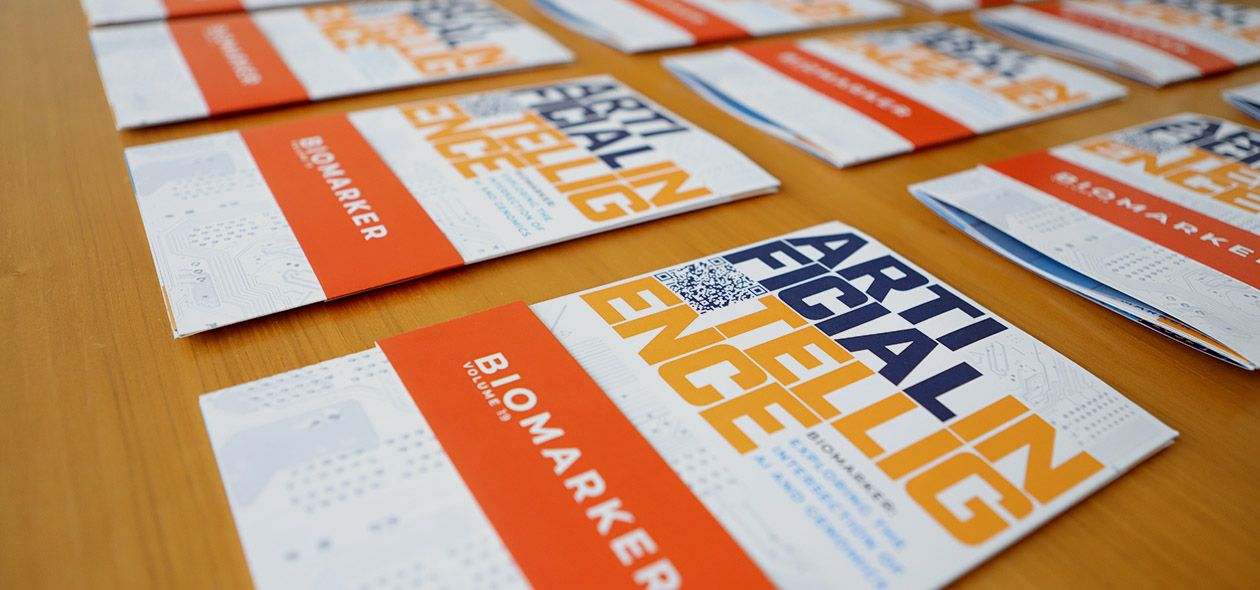
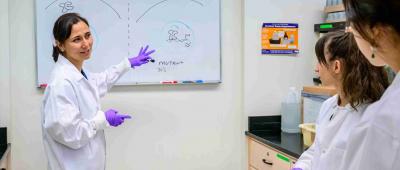
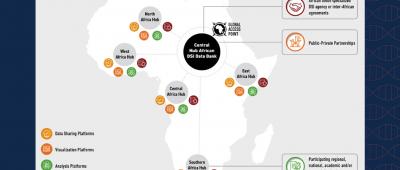
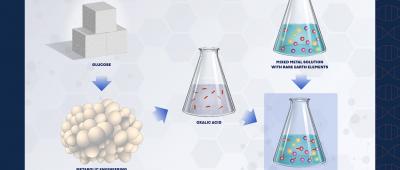
Featured Stories



Join the IGB mailing list
Sign up to receive copies of our Annual Report, yearly magazine Biomarker, and biannual e-newsletter.