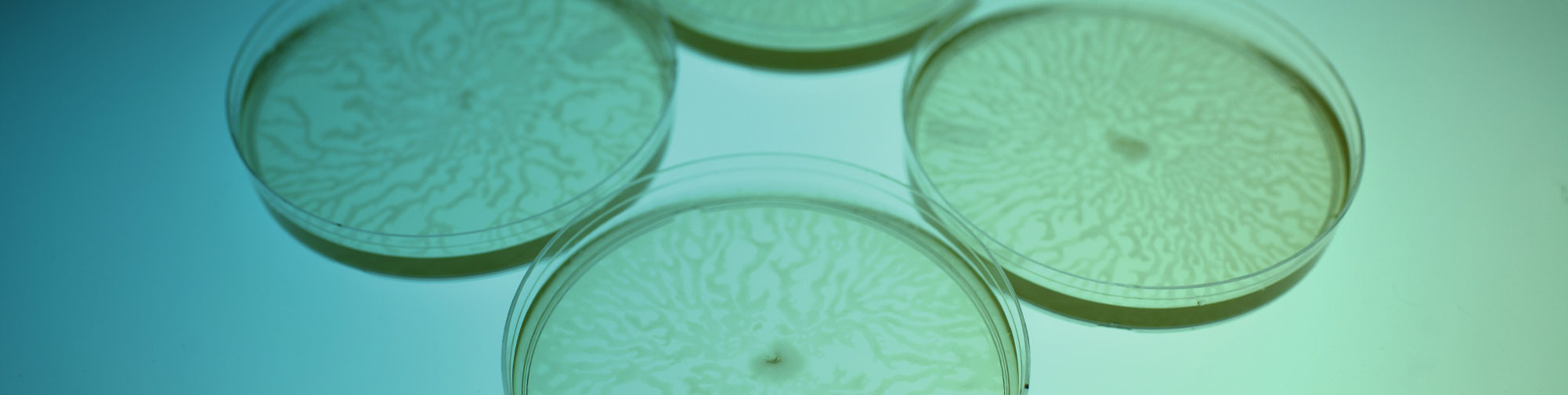


Widespread overuse of antibiotics has led to a decline in the efficacy of these drugs because many pathogens are becoming increasingly resistant to them. Currently, 70 percent of antibiotics, and more than half of all medicines, are derived from microbially-produced natural products–small molecules with unique properties. Ironically, many pharmaceutical companies are scaling back or eliminating metabolite screening programs despite evidence suggesting that a multitude of useful microbial products await discovery. The Mining for anti-infectious Molecules from Genomes (MMG) research theme searches through microbial genomes to find new metabolites. The goal of the theme is to learn how these molecules are produced in microorganisms and identify uses for the new metabolites discovered. The theme also focuses on identification of effective antibody and peptide-based strategies against viral threats.
Recent Publications from MMG
View full list of publications from MMG
From Leaders of the Theme
Scientists unlock the vast genetic potential of microbial genomes using sequence-based approaches. By accessing microbial DNA isolated directly from the natural environment, the scale of the screening process can be expanded without laborious growth experiments. Once promising targets are identified, researchers perform metabolite analysis, metabolic engineering, and chemical and enzymatic synthesis.
Success with this approach will ultimately lead to the discovery of novel classes of antibiotics, improved production methods, and better ways to examine antibiotic efficacy in human and animal hosts. In addition, the information gleaned will improve our ability to annotate the function of genes and predict enzyme products.
A second thrust focuses on identification of antibodies from various organisms against viral pathogens, improving these antibodies through synthetic biology, and use of these antibodies as inspiration for cyclic peptides that may replace antibody therapeutics. The theme brings together microbiologists, chemists, biochemists, and engineers.