where science meets society

Where Science Meets Society

Learn More About IGB

The Carl R. Woese Institute for Genomic Biology (IGB) is an innovative research institute using cutting-edge genomic practices to tackle large-scale global challenges currently facing humanity.

Food security for a growing population. Effective therapeutic drugs and antibiotics. Automated synthesis of new molecules and proteins. Using a team-based, collaborative science approach, researchers at the IGB are addressing these and other complex issues. Our main areas of research below are each supported by our strong commitment to fundamental science – the pursuit of discovery.
Health & Wellness

Health +
Wellness

How the genome enhances, affects, or disrupts physical and mental wellbeing.

Health & Wellness Research

Technology & Socety

Tech +
Society

Advancing our capability to shape the world and capacity to understand each other.
Tech & society research

Agriculture & Energy

Ag +
Energy

Sustainably feeding and fueling a planet impacted by a changing global climate.

Ag & Energy Research

Outreach & Public Engagement

Outreach &
Public Engagement

Encouraging the public to understand how genomics affects daily life and society.
Outreach programs

Atherosclerosis

Spotlight

Art of Science

Learn more

Featured Stories

A gray wolf (Canis lupus) at Mission:Wolf Sanctuary in southern Colorado. Gray wolves remain endangered in most of the continental United States, especially the Mexican wolf subspecies (Canis lupus baileyi) which suffers from genetic bottlenecking. - Jenny Thompson
“Science is fascinating. I think that we undersell that.” -Zanne Newman
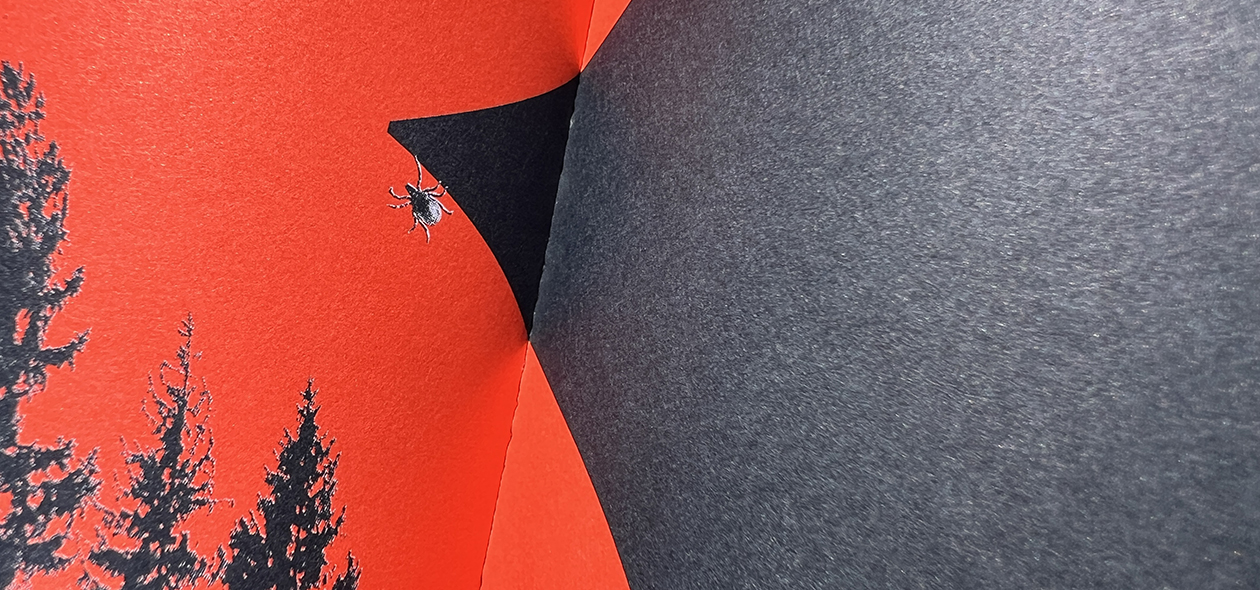
Pathobiology professor Becky Smith, graduate student Abrar Hussain and their colleagues analyzed state data on tick-borne diseases in humans and dogs. The study reveals hotspots of disease in various parts of the state. Photo by Fred Zwicky
The rise of antibiotic resistance among the type of E. coli bacteria responsible for most foodborne illness is concerning because antibiotics are not advised for the infection, suggesting that the bacteria are acquiring resistance in the environment or during the food production process, said Illinois pathobiology professor Csaba Varga. Photo by Craig Pessman
U. of I. entomology professor and department head May Berenbaum describes how decades of basic research into insect biology led to the successful eradication of the New World screwworm, which has recently appeared again in southern U.S. states. Photo by L. Brian Stauffer
Left to right: Tingjie Song, Dhanush Gandavadi, Xing Wang, and Abhisek Dwivedy