Tech + Society
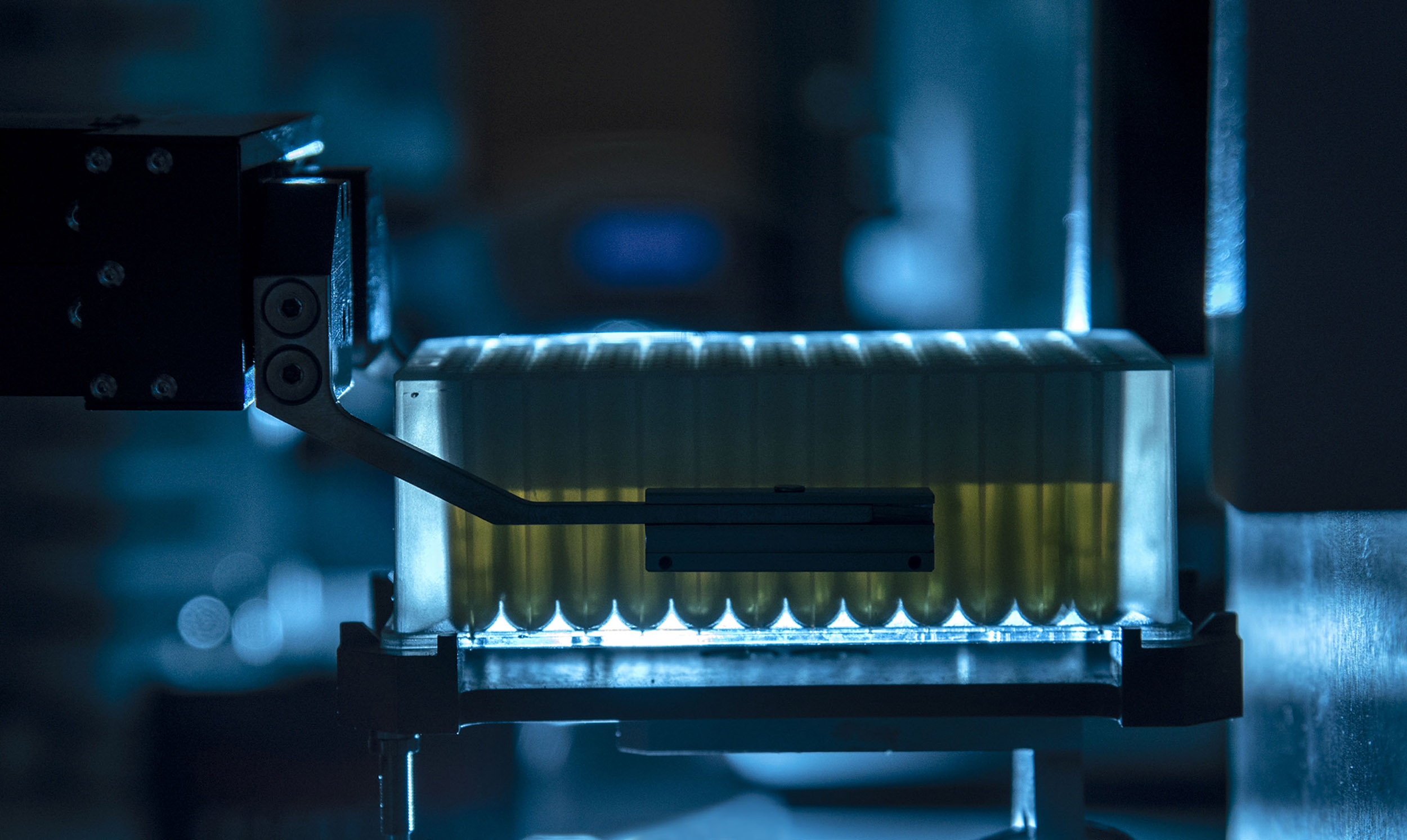
New technologies launched the genomic era. Now, progress in genomic research depends on further innovations in the tools that allow us to probe, manipulate, and analyze biological molecules. Whether focused on software or hardware, biomaterials or microfluidics, DNA editors or molecular motors, our technological research pushes the boundaries of the physically possible and paves the way for future discovery.
Featured Stories
Research
Illinois Researchers Engineer Enzyme to make Valuable Agricultural Chemicals
Research
AI model offers a faster way to explore how proteins move, study finds

Research
Illinois Researchers Explore Intersection of Imaging Technology and AI
Research
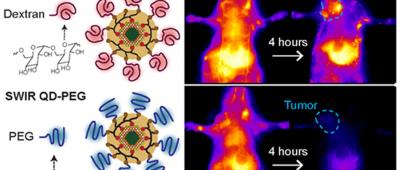
Bioengineering Lab Develops Innovative Method of Macrophage Imaging
Research
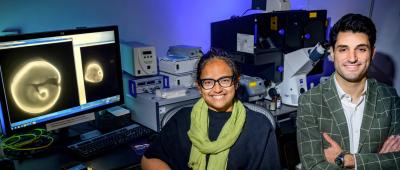
Pollen study reveals the hidden history of grasses

Research
M-CELS research featured on inside cover of Advanced Science