Center for Indigenous Science

The Center for Indigenous Science uses Indigenous Science frameworks to provide alternative scientific models, promoting research that is ethical, sustainable, and community-focused.

Read More About CIS

Featured Stories

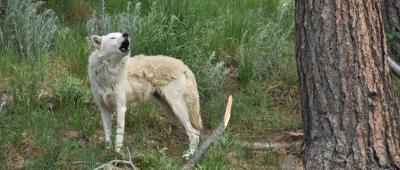
A gray wolf (Canis lupus) at Mission:Wolf Sanctuary in southern Colorado. Gray wolves remain endangered in most of the continental United States, especially the Mexican wolf subspecies (Canis lupus baileyi) which suffers from genetic bottlenecking. - Jenny Thompson
Catastrophic flooding in Central Illinois field in 2008
Education professor Rochelle Gutiérrez has been named to the National Academy of Education. A professor of curriculum and instruction and of mathematics education, Gutiérrez challenges deficit views of racial minority students and believes that teachers must have more than pedagogical or content knowledge to be successful. An Illinois faculty member since 1996, Gutiérrez also holds appointments in Latino/Latina Studies and the Carl R. Woese Institute for Genomic Biology.
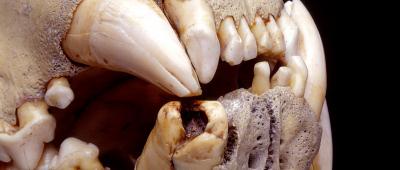
The lions’ teeth had been damaged during their lifetimes. Study co-author Thomas Gnoske found thousands of hairs embedded in the exposed cavities of the broken teeth.  Photo Z94320 courtesy Field Museum of Natural History in Chicago
Entomology professor Esther Ngumbi studies how two varieties of tomato plants and tobacco hornworm larvae respond to flooding. The hornworm caterpillars are enclosed in plastic bags affixed to the tomato plants.
An aerial view of James Island and James Fort. The Jamestown colony was established in Tsenacomoco, the Algonquian name for the Powhatan chiefdom in the tidewater areas of the Chesapeake Bay and later became the Commonwealth of Virginia. / Jamestown Rediscovery