Exploring the genomes of the microbes we live with also allows us to discover the molecular tools they use to aid or attack their hosts or to fight each other, knowledge that can act as a pathway to well-being.
Health + Wellness
Every person or animal that suffers from ill health and every pathogen that causes disease has its own genome. Research in this area examines how genome function directs the development of healthy bodies and how disorders disrupt that function.
Featured Stories

Research
M-CELS research featured on inside cover of Advanced Science

Research
Incremental progress on a stubborn medical mystery: new studies yield insight on the signs and causes of hypermobile Ehlers-Danlos Syndrome
Research
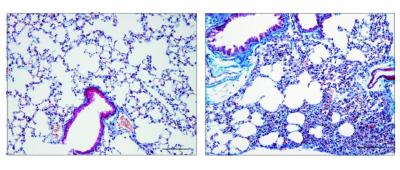
A bacterial protein fragment drives tissue fibrosis, but antibody treatment can help, study finds

Research
Breakthrough Pancreatic Cancer Drug Maker Builds on Illinois Research Roots

Research
Book describes loss as a central feature of pregnancy

Research
New publication charts a path to democratized molecular innovation