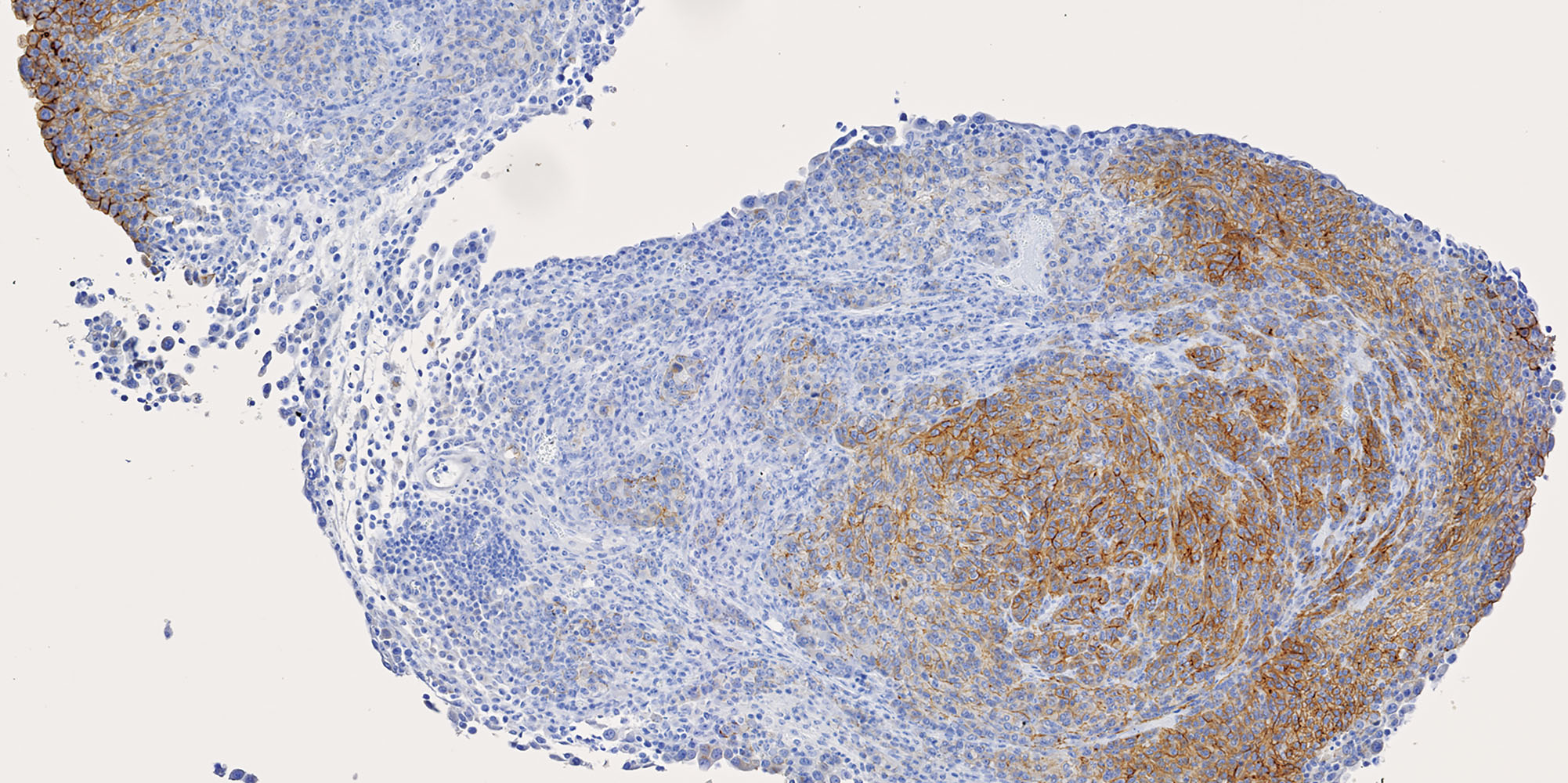


Humans and dogs are afflicted with cancers at a similar rate, and the cancers that arise share similarities at the cellular and molecular level. Our pets are members of our families and in many cases are exposed to the same toxins that we are exposed to. Naturally occurring cancers in pet dogs provide a unique model for assessment of new anticancer drugs, and have many advantages compared to standard mouse models, which utilize artificially induced cancers. Members of the Anticancer Discovery from Pets to People theme have been working to discover novel cancer drugs, then advancing them to benefit pet dogs and cats with the goal of developing treatments that can help reduce tumors in these beloved companions and be used to treat cancer in humans.
Recent Publications from ACPP
View full list of publications from ACPP
From Leaders of the Theme
We use novel approaches to discover new candidate anticancer drugs. Our work is tremendously enabled by comparative tumor oncology and genomics through the inclusion of companion animals (dogs and cats) that are afflicted with spontaneous cancers and treated at the Small Animal Clinic at UIUC Veterinary Medicine. The ACPP theme leverages combinations of resources that are unique to the University of Illinois Urbana-Champaign, including strengths in drug discovery, veterinary medicine, and computational comparative oncology.
The theme employs modern genomic techniques to identify novel cancer targets, uses new screening platforms to find small molecules that hit these targets, and advances drug candidates through complex in vivo settings. Compounds discovered can be used as probes for these targets and can be advanced as therapeutics. These efforts lead to breakthrough discoveries in the development of novel cancer drugs: compounds that hit new targets, have a higher likelihood of success when advanced into human clinical trials, and that can be identified and developed at a fraction of the cost of conventional methods.
Our efforts have led to the discovery of the procaspase-3 activator PAC-1, which has been used to treat over 75 pet dogs with cancer, and subsequently used to treat ~50 human cancer patients in Phase 1 clinical trials. Other compounds discovered through this workflow have been licensed and are advancing toward treatment of human cancer patients.