Anticancer Discovery from Pets to People

The Anticancer Discovery from Pets to People theme provides successful anticancer therapies in dogs and cats that translate to clinical trials in human subjects.

Read More About ACPP

Featured Stories

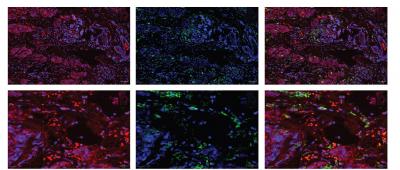
Cross sections of breast tumors showing that myeloid cells (green) are able to express the gene ABCA1 (red), which helps activate cancer-fighting properties. Other types of cells are labeled with blue.
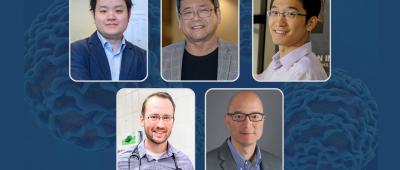
Erik Nelson (left) and Postdoctoral researcher Natalia Krawczynska
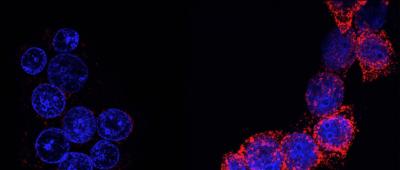
In human breast cancer cells treated with the preclinical drug ErSO (shown), or with doxorubicin, the cellular protein FGD3 causes another protein, calreticulin (in red on the right), to display on the cancer cell surface, attracting and activating immune cells. Micrographs by Junyao Zhu
U. of I. chemistry professor Paul Hergenrother and his colleagues developed a class of antibiotic agents that target pathogenic gram-negative bacteria without harming beneficial microbes. The new compounds are being licensed for further testing and development. Photo by Michelle Hassel
Veterinary clinical medicine professor Dr. Timothy Fan consults Sara Tondini about her dog, Milton. Photo by Fred Zwicky
A new gene editing tool helps cells skip gene regions with problematic mutations. From left, graduate student Shraddha Shirguppe, Professor Pablo Perez-Pinera, and graduate student Angelo Miskalis led a team that applied the tool to reduce proteins associated with Alzheimer’s disease in mice. / Fred Zwicky