Infection Genomics for One Health

The Infection Genomics for One Health theme works to describe microbial communities and their genes across different natural and man-made environments.

Read More About IGOH

Featured Stories

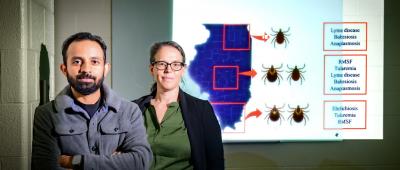
Pathobiology professor Becky Smith, graduate student Abrar Hussain and their colleagues analyzed state data on tick-borne diseases in humans and dogs. The study reveals hotspots of disease in various parts of the state. Photo by Fred Zwicky
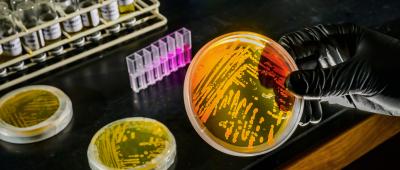
The rise of antibiotic resistance among the type of E. coli bacteria responsible for most foodborne illness is concerning because antibiotics are not advised for the infection, suggesting that the bacteria are acquiring resistance in the environment or during the food production process, said Illinois pathobiology professor Csaba Varga. Photo by Craig Pessman
U. of I. entomology professor and department head May Berenbaum describes how decades of basic research into insect biology led to the successful eradication of the New World screwworm, which has recently appeared again in southern U.S. states. Photo by L. Brian Stauffer
A research group co-led by the University of Illinois Urbana-Champaign predicts that a surprisingly adaptable species of marine archaea will play an important role in reshaping biodiversity in the planet’s oceans as the climate changes. Photo by Fred Zwicky
The biocatalyst developed by Wei's laboratory enables the recovery of phosphate, a vital plant nutrient, from biorefinery wastewater. / Katie Brady
The proposed viral testing method will be developed for fast, easy and affordable use by healthcare providers at community testing centers.